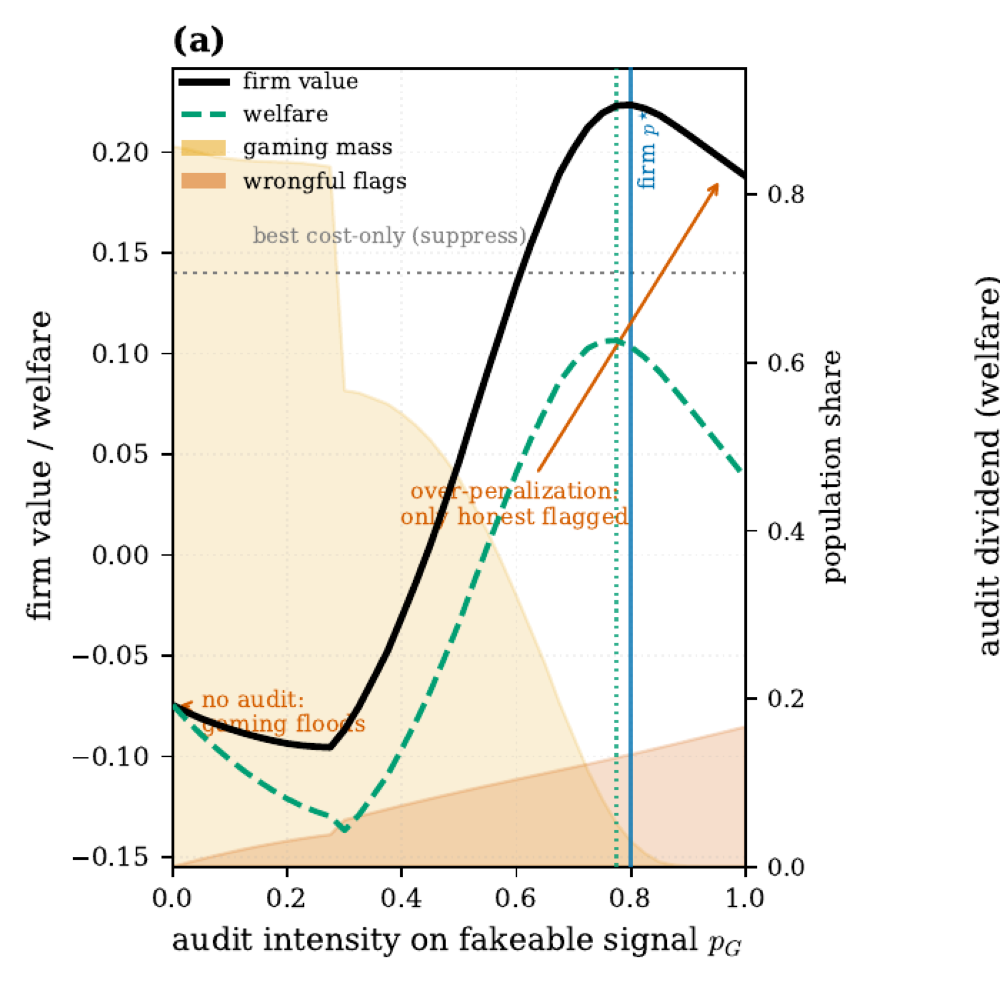
Strategic Classification Has a Missing Lever: Audit Risk
Strategic classification with a second lever: alongside the classifier, the decision maker designs which features get audited and how hard, which changes what is worth gaming.
Strategic classification with a second lever: alongside the classifier, the decision maker designs which features get audited and how hard, which changes what is worth gaming.
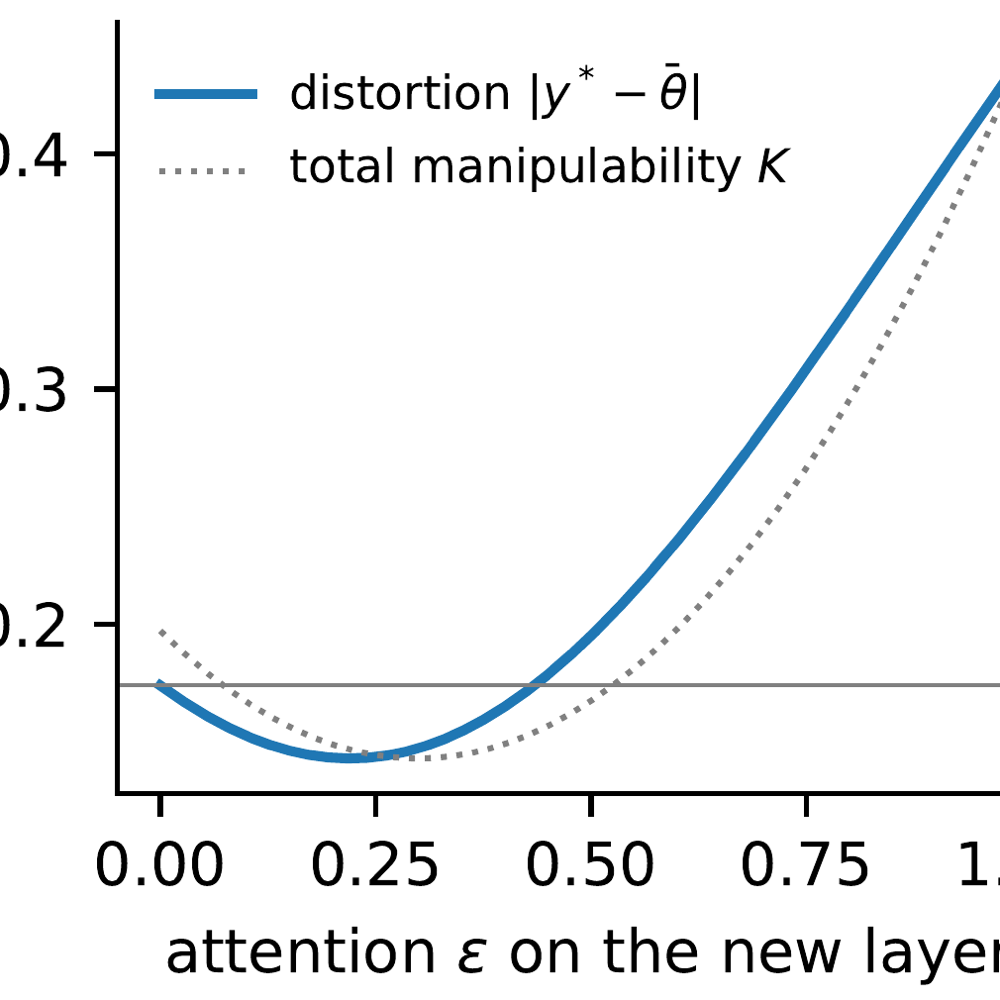
When a platform merges opinions reported across several networks, agents can report differently on each; the resulting equilibrium distorts consensus and overstates polarization.
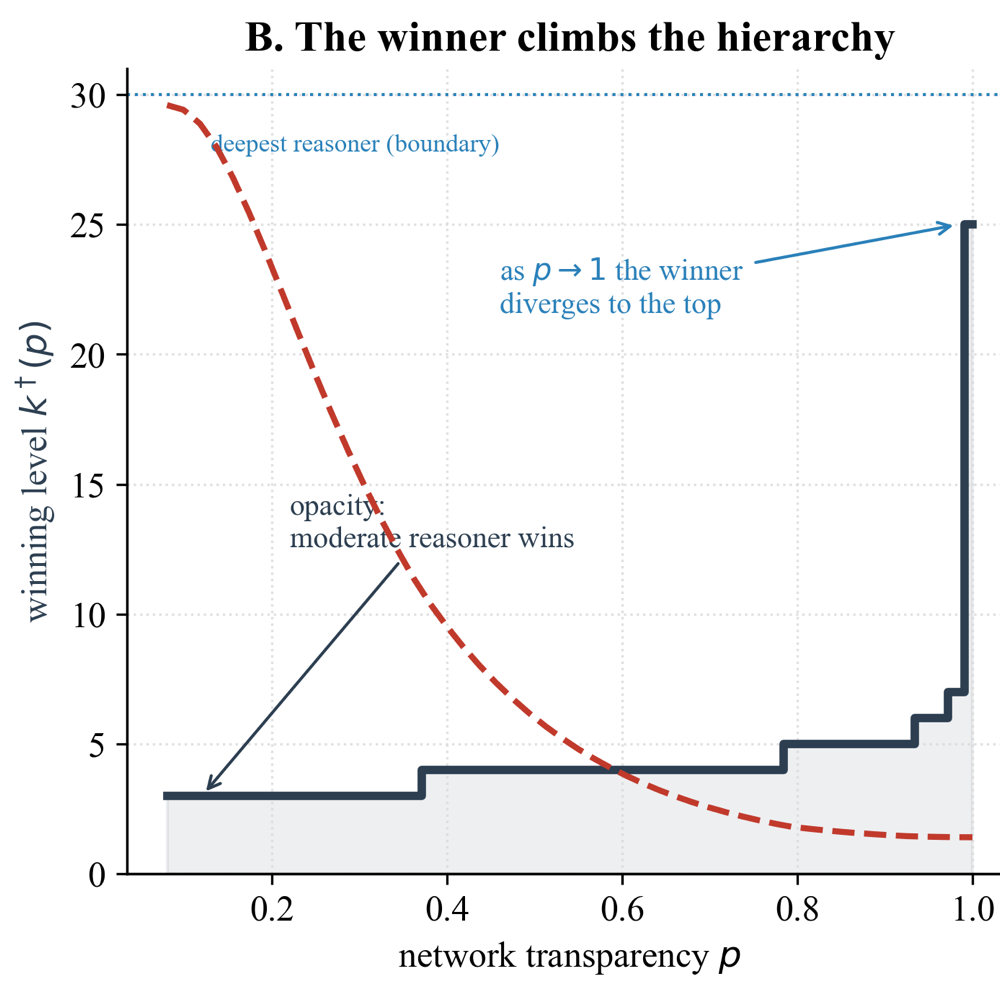
Dashboards, feeds and leaderboards decide whom agents think they are playing against; this paper treats that visibility as a design lever and derives how it shapes aggregate behavior.
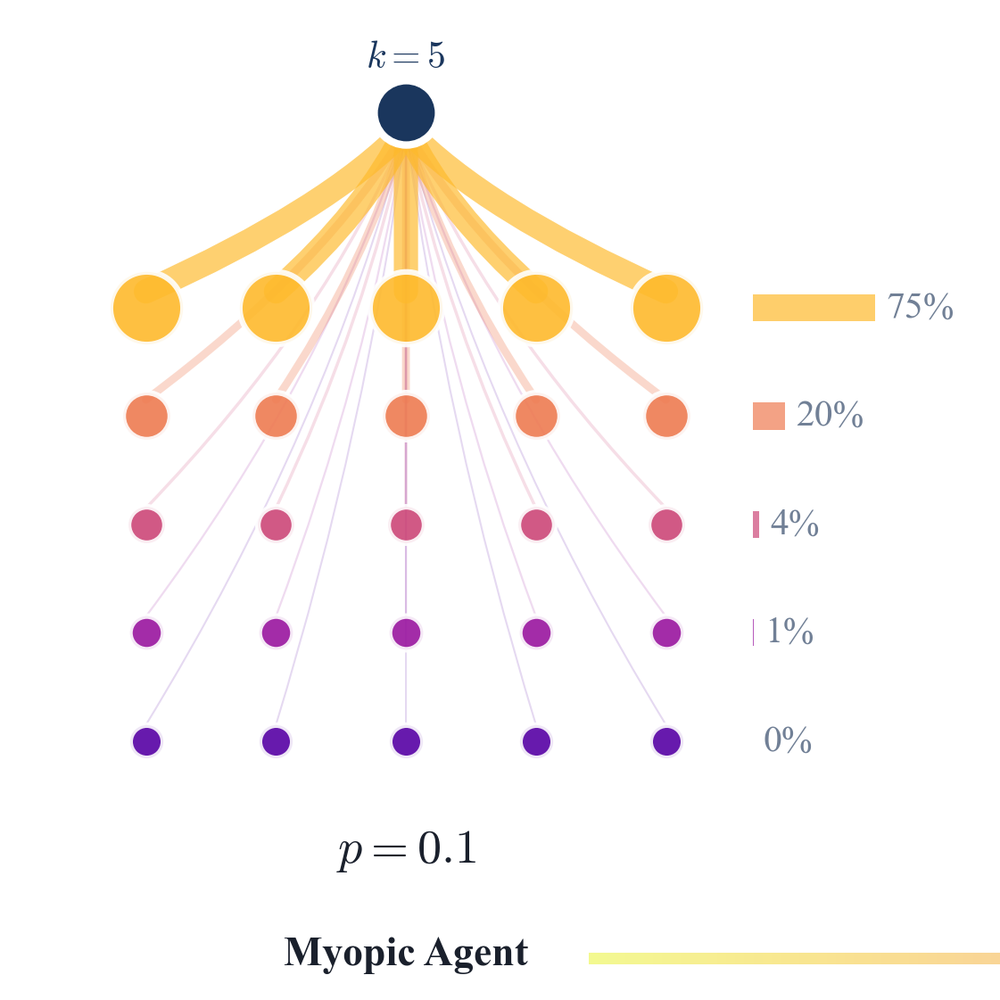
The Connected Minds model: agents reason iteratively but observe a sample biased by their network position, so opacity makes them overestimate others and escalate.
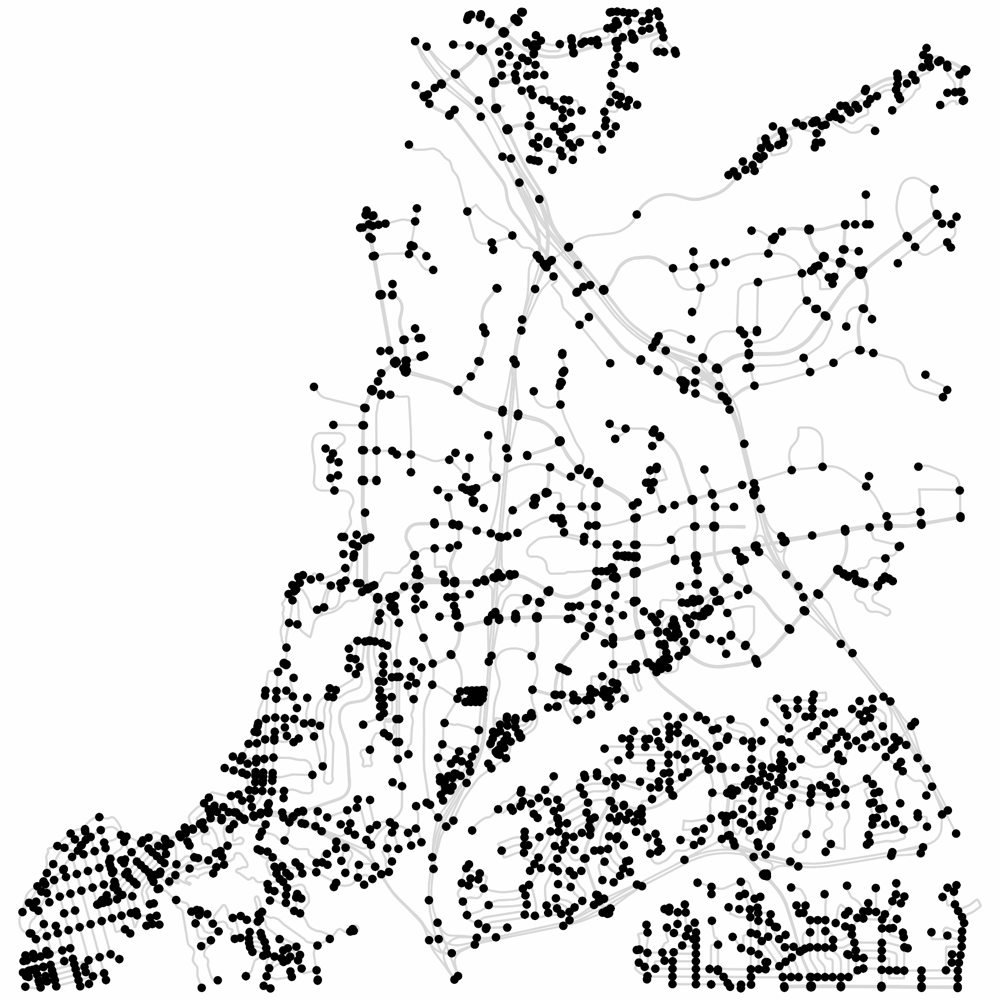
A network view of San Diego’s transportation system, layer by layer, and what its structure says about access and resilience.

This paper proposes K-hop network (security) games, in which agents have extended awareness of network effects.

This paper proposes new models of multiplex network games to capture the different modalities of interactions among strategic agents, and multilayer network games to capture their interactions over multiple action dimensions.

This paper presents a systematic evaluation of navigation strategies for the WikiRace task.

This paper proposes a strategic classification model that considers behavioral biases in human responses to algorithms.